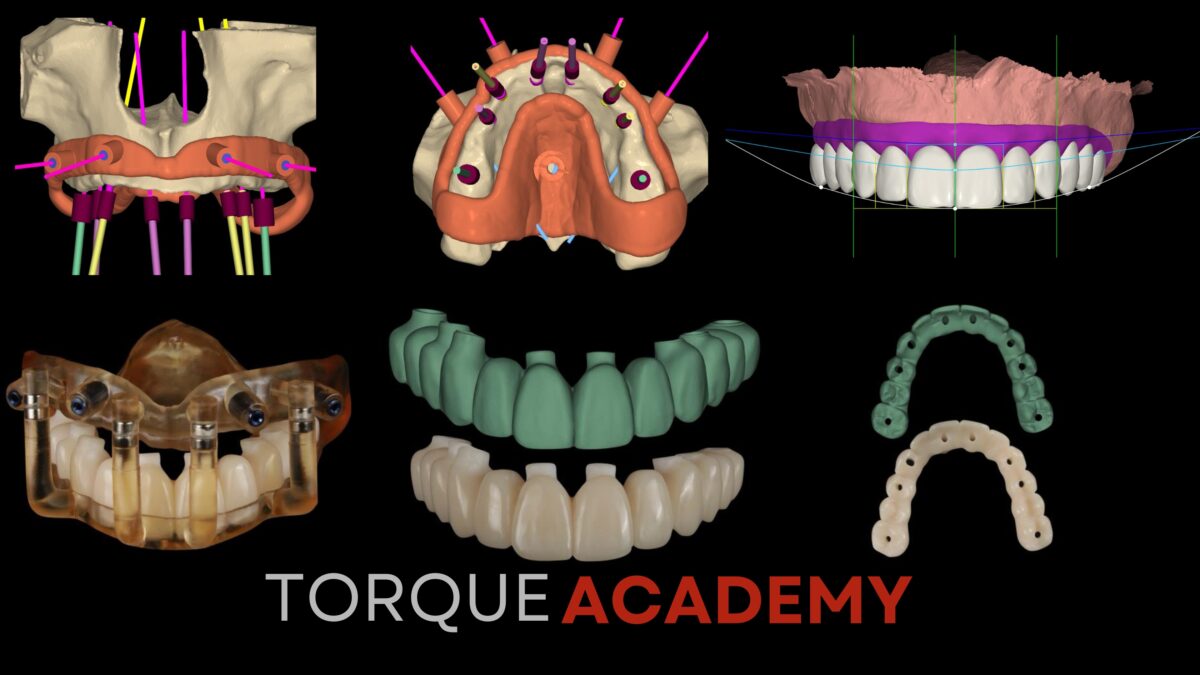
Immediate Implant Protocol: Master the Single-Visit Workflow
August 6, 2026
Peri-Implantitis: Prevention Begins Before Implant Placement
October 28, 2026
Beyond Osseointegration: Understanding the Biology That Supports Long-Term Implant Stability
Implant dentistry is often discussed through the lens of precision, technology, and surgical technique. But beneath every successful implant is something far more fundamental: biology.
Long-term implant success is not determined by the moment an implant is placed. It is the result of a biological process that begins before surgery and continues throughout the life of the restoration.
It Starts With the Patient
Before discussing implant position, components, or digital planning, we have to understand the biological environment in which the treatment will take place.
Systemic health, local anatomy, periodontal condition, bone quality and quantity, soft-tissue characteristics, oral hygiene, smoking, parafunctional habits, and previous disease can all influence treatment planning and healing.
A predictable implant case begins with recognizing these factors—not simply reacting to them after surgery.
Osseointegration Is Only the Beginning
Osseointegration is fundamental to implant therapy: the direct structural and functional connection between living bone and the implant surface.
But achieving osseointegration does not automatically guarantee long-term success.
Once the implant is integrated, the surrounding tissues must continue to tolerate the biological and mechanical demands placed upon them.
This is where the relationship between bone, soft tissue, prosthetic design, occlusion, hygiene, and maintenance becomes critical.
The Soft-Tissue Connection Matters
The peri-implant soft tissues form an important biological barrier around the implant.
Their health and stability influence the environment surrounding the implant and can play an important role in protecting the underlying tissues.
This is why implant dentistry cannot be reduced to bone alone.
The quality, thickness, position, and stability of the peri-implant soft tissue should be considered as part of the overall treatment strategy particularly in demanding aesthetic and full-arch cases.
Biology and Prosthetics Are Connected
A beautifully positioned implant can still face biological challenges if the prosthetic environment is poorly designed.
Emergence profile, cleansability, contours, occlusion, prosthetic materials, and access for maintenance all influence how the surrounding tissues interact with the restoration.
In other words:
Surgical success and prosthetic success cannot be separated.
The implant may be placed surgically, but its long-term environment is ultimately shared by surgery, prosthodontics, biology, and patient maintenance.
Precision Is Valuable. Biology Is Non-Negotiable.
Digital planning, guided surgery, CBCT, intraoral scanning, and other technologies have transformed implant dentistry.
They allow clinicians to plan with greater precision and communicate treatment more effectively.
But technology should support biological principles not replace them.
A digitally perfect plan still needs to respect anatomy.
A precisely placed implant still needs healthy surrounding tissues.
And an excellent surgical result still requires a prosthetic design that allows the patient to maintain it.
Long-Term Success Is a Process
Implant dentistry does not end when the implant integrates or when the final prosthesis is delivered.
Long-term success requires continuous evaluation.
Maintenance appointments, professional hygiene, patient education, occlusal assessment, radiographic monitoring when indicated, and early identification of biological or mechanical complications are all part of protecting the result over time.
The question should not simply be:
“Did the implant integrate?”
A more meaningful question is:
“Have we created an environment that can remain healthy and functional for years to come?”
A Different Way to Think About Implant Dentistry
Predictable implant treatment requires more than technical execution.
It requires understanding the interaction between biology, mechanics, prosthetics, surgery, technology, and the patient.
The most advanced workflows are not necessarily those with the most technology.
They are the ones where technology and clinical decision-making work together to respect the biology of the patient.
At Torque Academy, we believe meaningful clinical education should go beyond individual techniques. It should help clinicians understand why decisions are made—and how those decisions influence the entire treatment journey.
Because long-term implant success is not created by a single moment.
It is built through every decision that comes before, during, and after treatment.
TORQUE ACADEMY
Learn with purpose.
Refine your clinical thinking.
Keep evolving.